'Neighbourhood Diplomacy'
Solo Exhibition By *Olga Souvermezoglou
Curation & Text By *Konstantinos Th. Spyropoulos
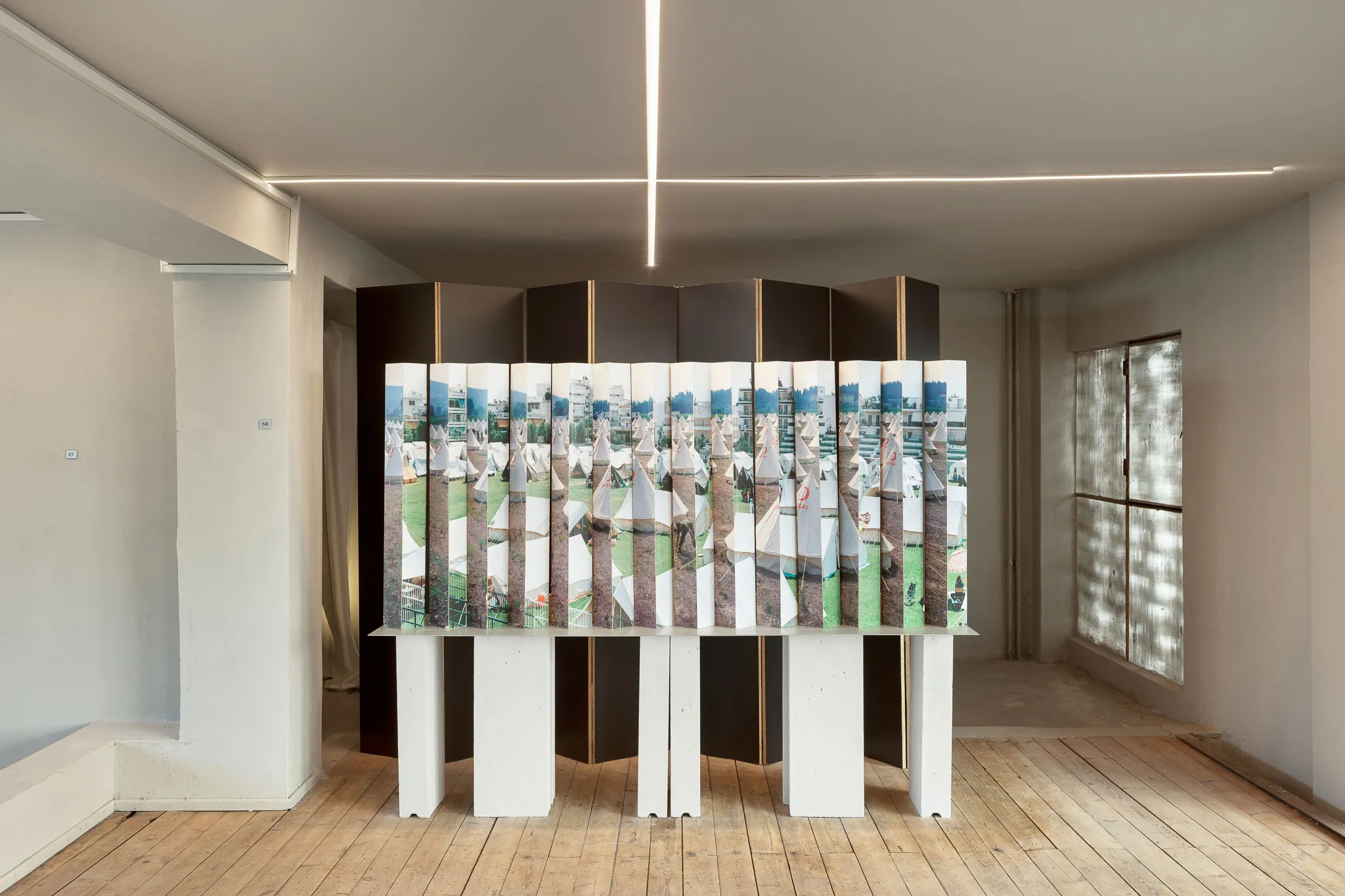
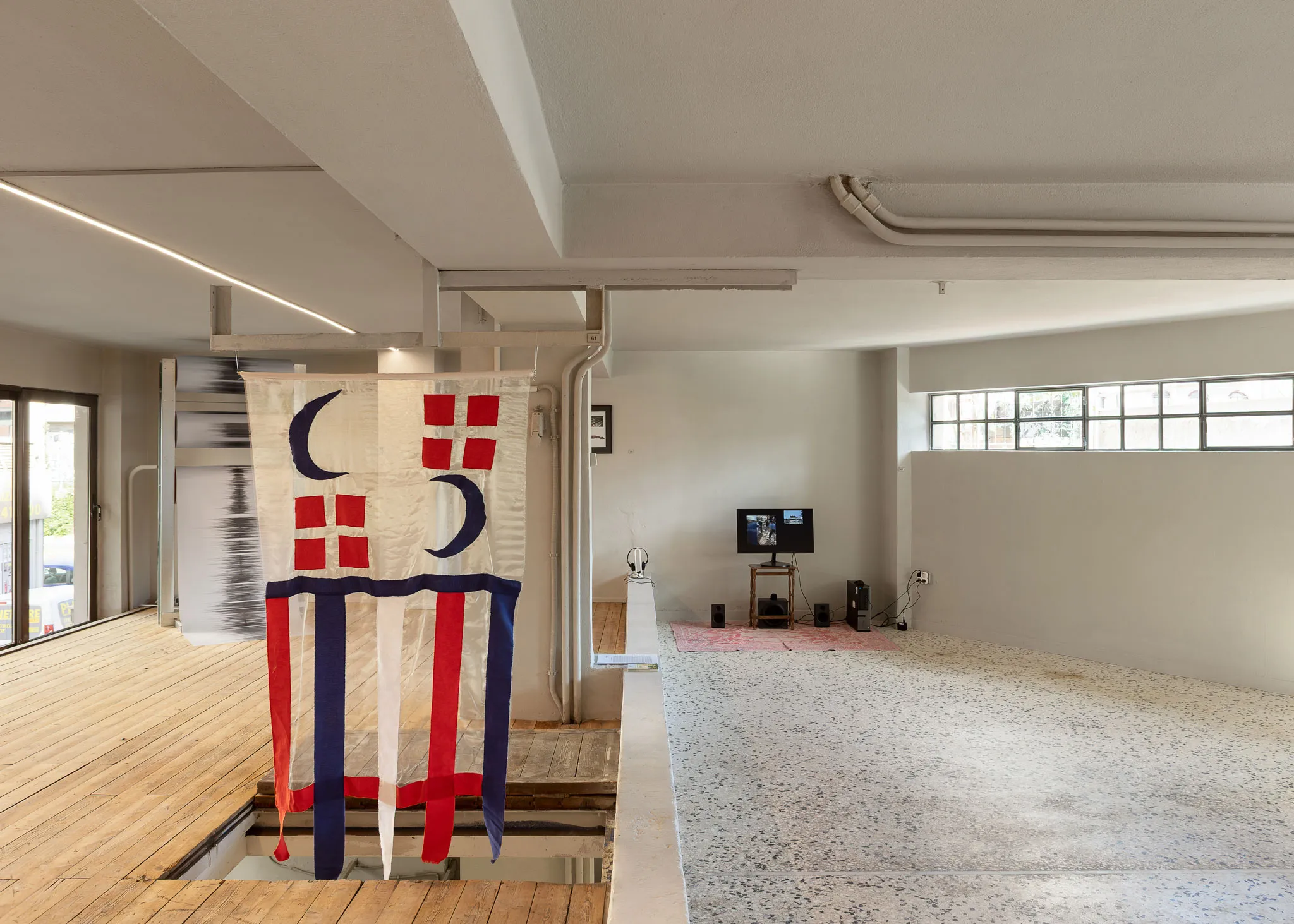
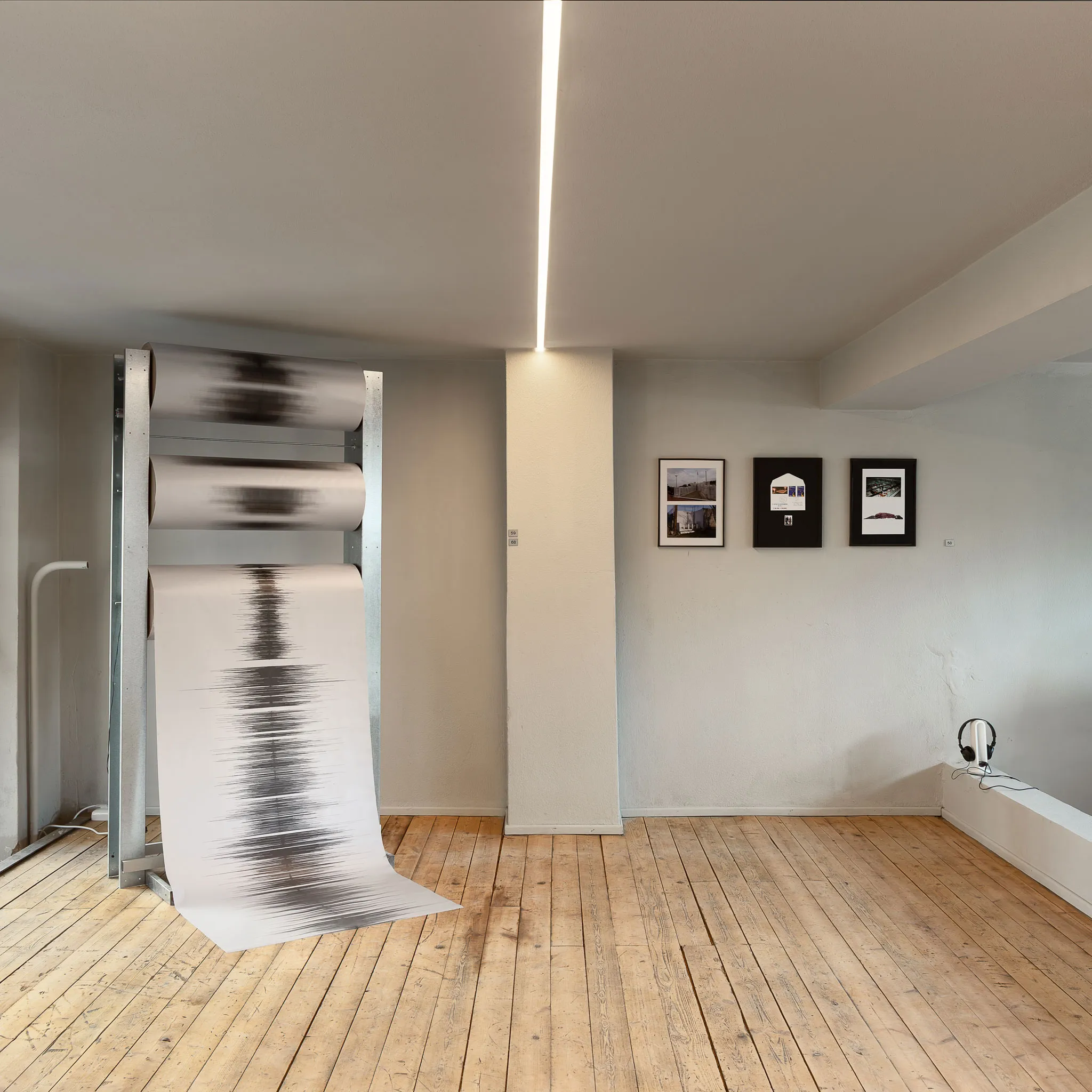
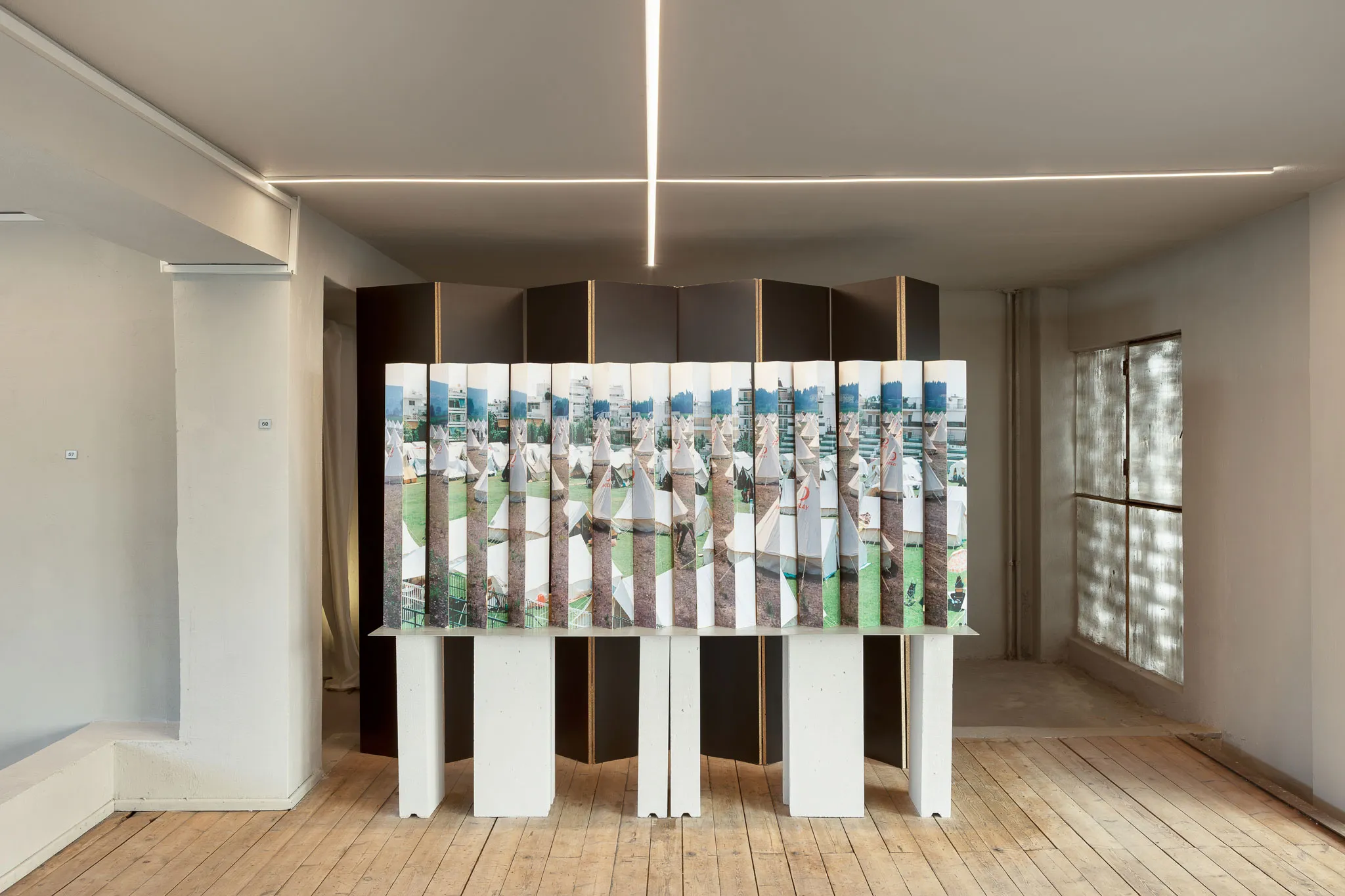
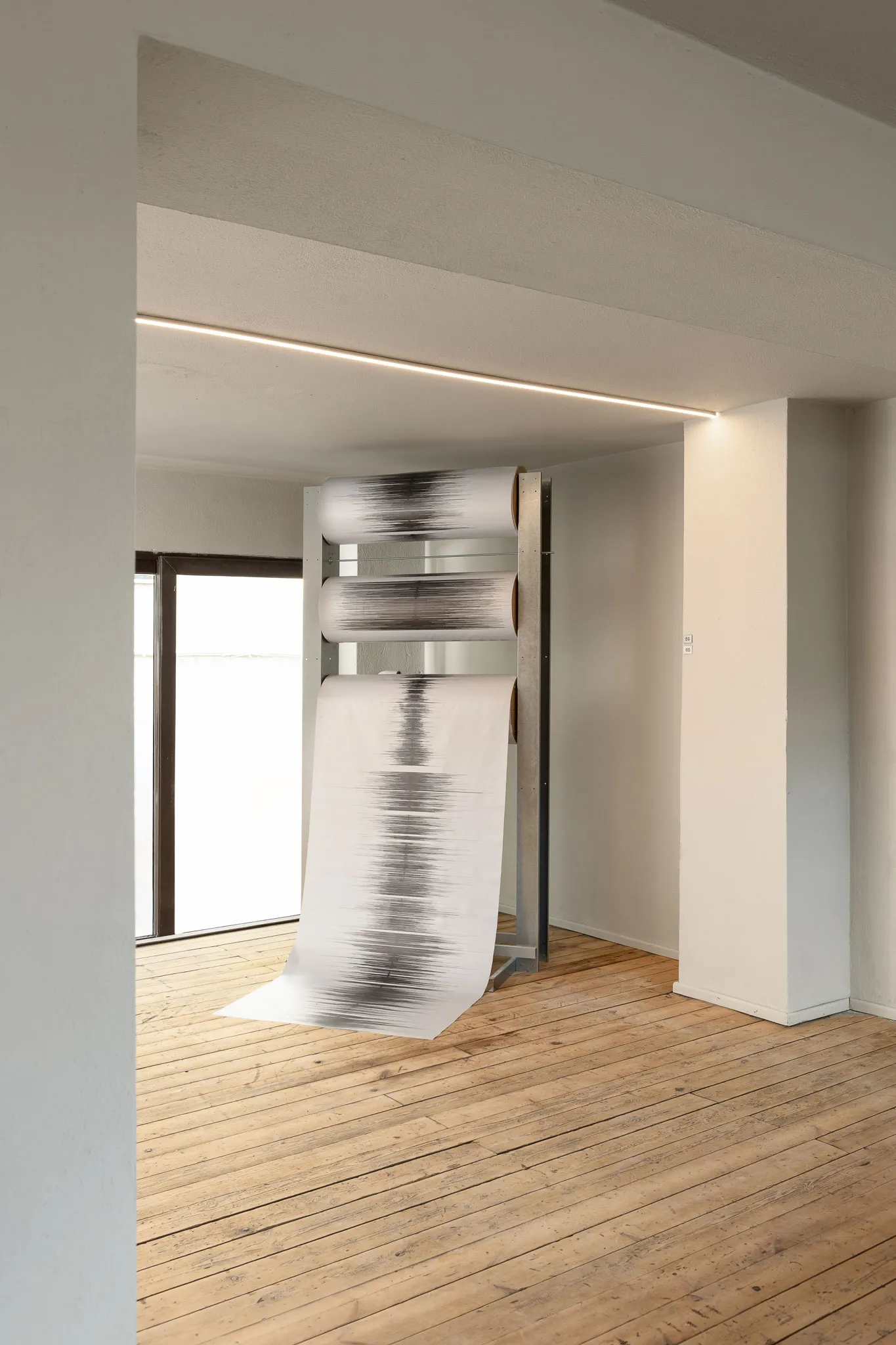
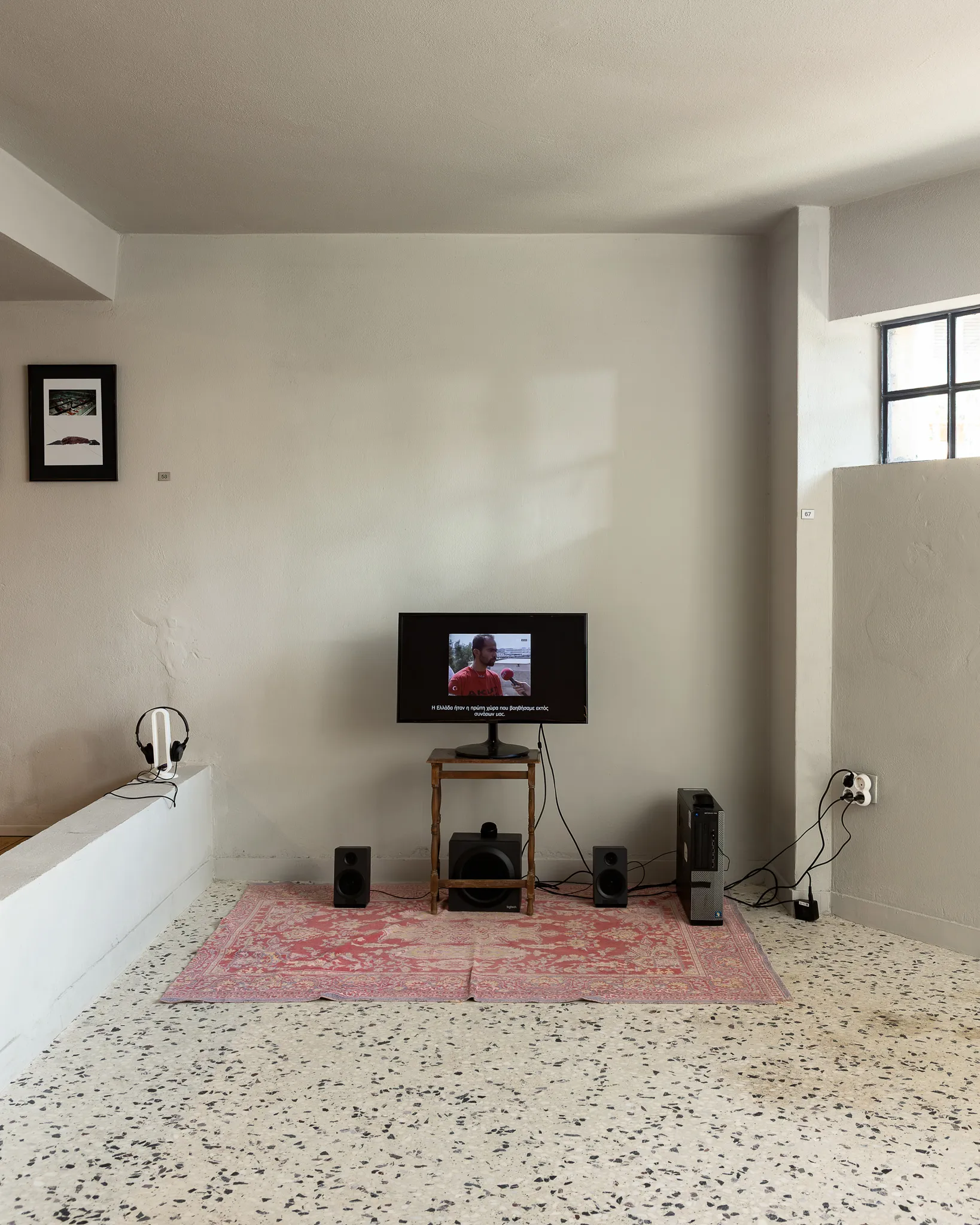
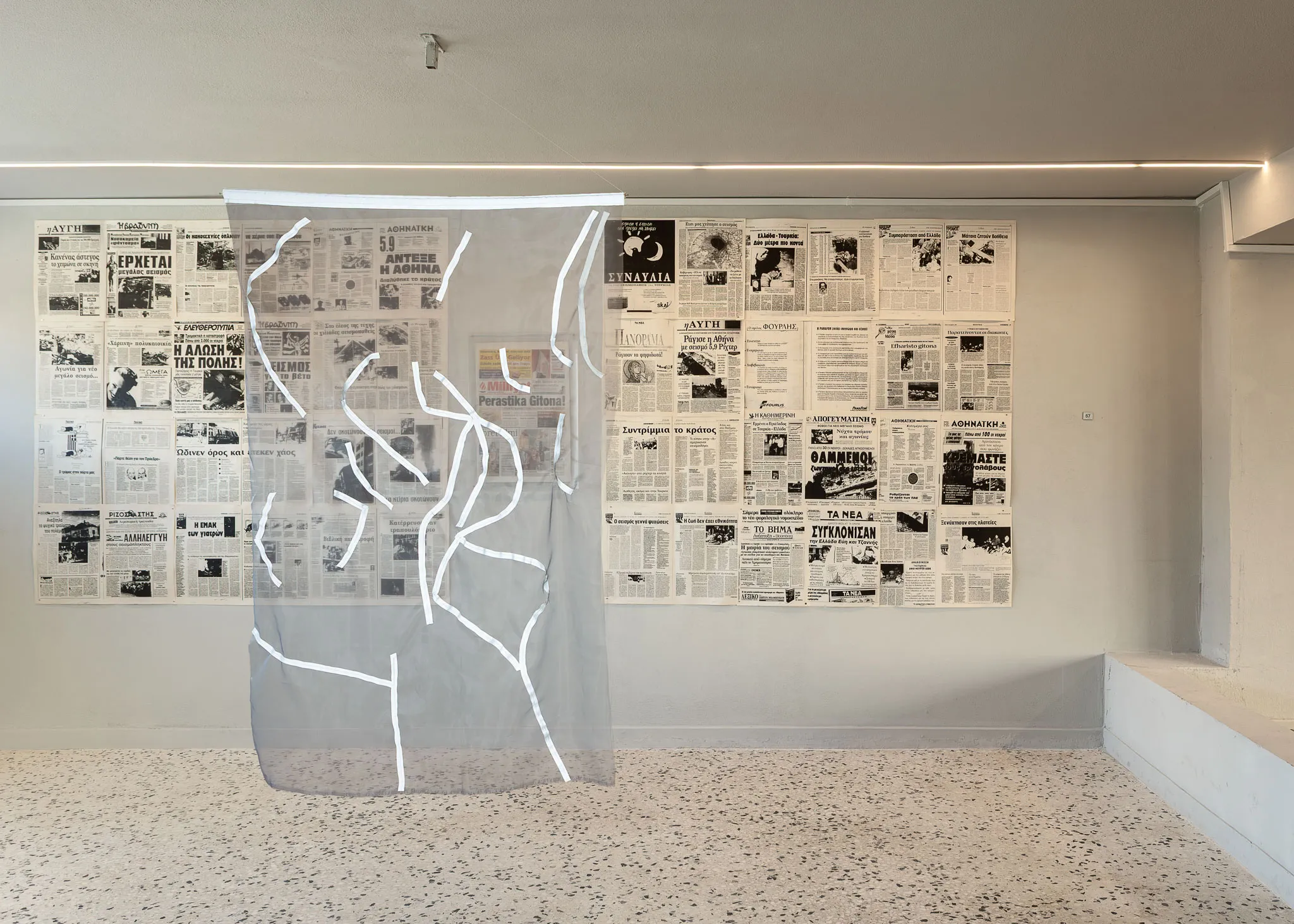
Olga Souvermezoglou’s solo exhibition is structured around a historical event which, although belonging to the past, continues to resonate in the present as a psychological and social force. At its core are the two devastating earthquakes of 1999: the one that struck on 17 August near İzmit, Turkey, in the Sea of Marmara region, measuring 7.6 on the Richter scale, and the one that occurred on 7 September in Athens, measuring 6.0. Although the latter was markedly lower in magnitude, it proved exceptionally traumatic, as its epicentre was located in immediate proximity to the urban fabric of the capital, in the area of Mount Parnitha and the western and north-western suburbs. The earthquake in Turkey violently struck a zone of high industrial and population density, leaving behind approximately 20,000 dead and countless homeless. Only a few weeks later, the Athens earthquake claimed 143 lives and caused extensive destruction to homes, factories, and infrastructure across Attica. It is within this framework that the artist’s research project is situated, focusing on the relations between Greece and Turkey and, more specifically, on the brief yet catalytic period of solidarity that emerged between the two sides in the aftermath of the two disasters. The so-called “earthquake diplomacy,” or “neighbour diplomacy” as the artist terms it, does not simply constitute an episode of diplomatic de-escalation. It marks a rupture in the entrenched normality of hostility, during which the image of the Other underwent a substantial shift: from threat to helping hand, from “national enemy” to human presence being shared in the same vulnerability. This shift was registered not only at the level of public feeling and the press of the period, but also in official interstate documents, which indicates that natural disaster functioned, however temporarily, as a suspension of political stereotypes. For Souvermezoglou, this historical event is not approached as a closed archival object; rather, it is transformed into a question of memory, inheritance, and subjectivity. Of Greek descent, with roots in Constantinople, she does not carry this history as a direct recollection, but as an indirect experience, as a psychic sediment transmitted across generations. Although she did not live through the events in their full magnitude –being only two years old at the time– their reception was inscribed into her family’s collective unconscious. Her work thus reveals that an event is not exhausted in the moment of its occurrence; it continues to act subterraneously, shaping relations, fears, identifications, and narratives. Direct and indirect experience thus constitute converging fields of historical experience. Her research unfolds polyphonically. Through interviews with firefighters, doctors involved in humanitarian missions, journalists, and citizens without an institutional role, she seeks the liminal site where different perceptions meet. This is precisely what gives the work its particular significance: history does not appear here as a monolithic national narrative, but as a web of partial voices, experiences, and languages. Public history encounters oral history, while the official narrative intersects with affective memory. Political history is thus relocated to the level of the body, testimony, voice, and gaze. At the core of the project there also emerges a significant juxtaposition concerning neighbourliness, one that extends from the microcosm of the community’s everyday interfaces to the macrocosm of cross-border proximity: on the one hand, the border as a geopolitical, national, and ideological construction; on the other, the fault line as a natural boundary, an opening in the earth that exceeds state demarcations and national imaginaries. The fault line does not divide according to national dogmas, but rather reveals a shared vulnerability. Where the border produces separation, disaster produces, however momentarily, a common ground. It is no coincidence that even the press of the time recorded this shift in almost tender terms: the front page of Milliyet, one day after the Athens earthquake, adopted the Greek phrase “Perastika Gitona!” already inscribing a symbolic suspension of national distance at the level of language. The perception of the Other constitutes one of the deepest theoretical axes of the present work, insofar as the “neighbour” appears not merely as a geopolitical category, but as that figure which history, national narrative, and fear have already preconstructed as an enemy. From this perspective, the Other is not an object of knowledge or possession, but an ethical challenge, a face that exposes us to responsibility before we are even able to form a judgment about it. At the same time, the image of Turkey is constituted through mechanisms of representation that consolidate difference and suspicion. In the artist’s work, however, natural disaster suspends this machinery of alterity-making: the Other ceases to be an abstract threat and reappears as a vulnerable body, as a bearer of grief, care, and mutual exposure. The works and documents that make up the exhibition –video, sound documents, newspaper archives, photographic material, an invented seismograph, and a sculptural installation with wooden poles and flags– do not function as a mere representation of a past episode. They constitute a space for renegotiating memory, identity, and the language of communication between two peoples who have learned to perceive one another primarily through conflict. Souvermezoglou proposes a different archive, one in which history is inscribed not only as event, but as human tremor. And it is precisely within this rupture –where the earth splits open and, with it, stereotypes, fears, and national certainties also begin to crack– that a rare possibility emerges: to see the neighbour once again as a familiar face, as the nearest Other, the one whom pain suddenly brings close to us.
Photography By *Sotiris Zapantiotis